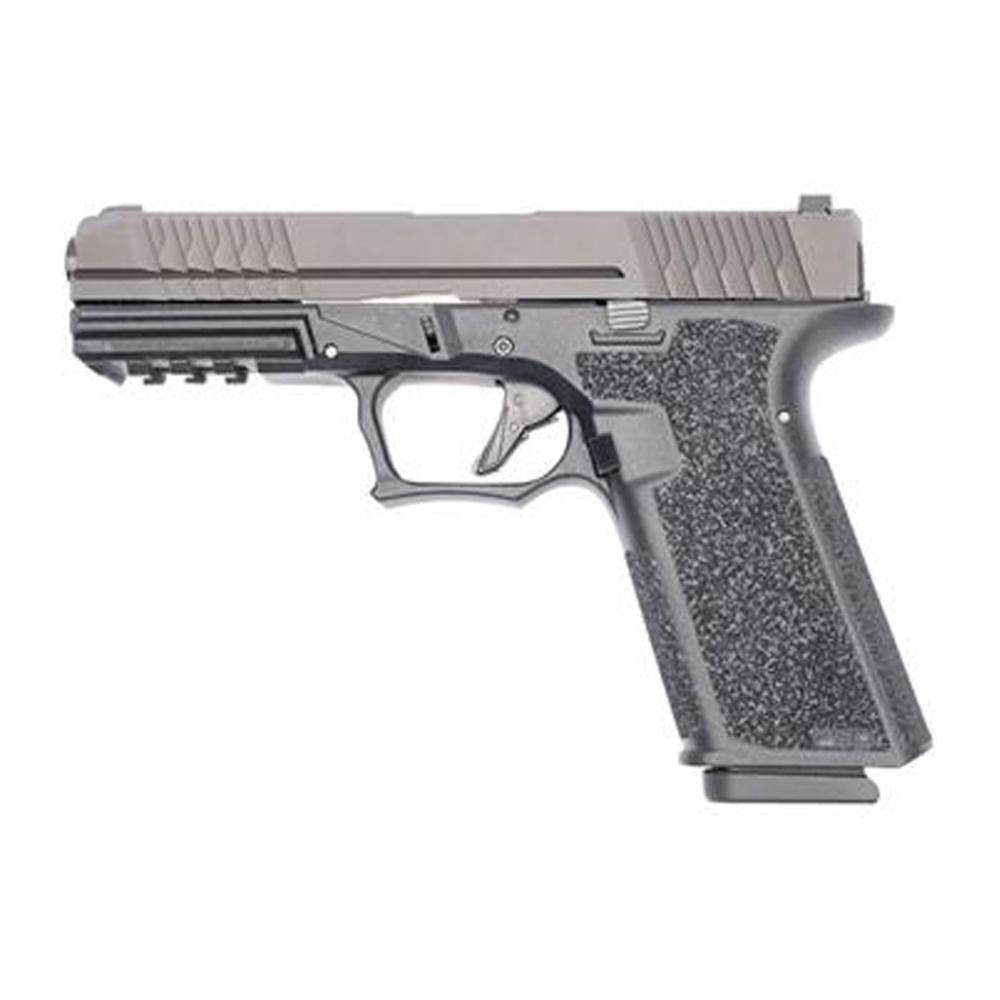
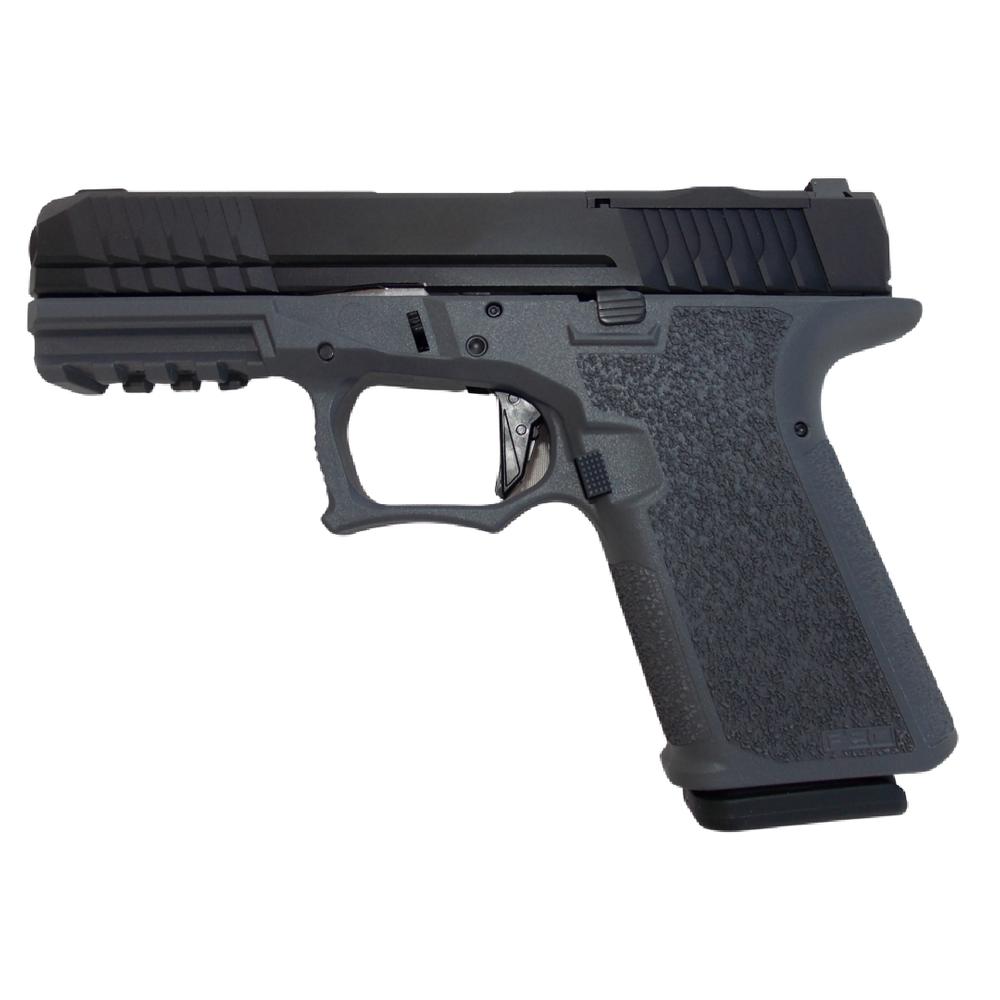
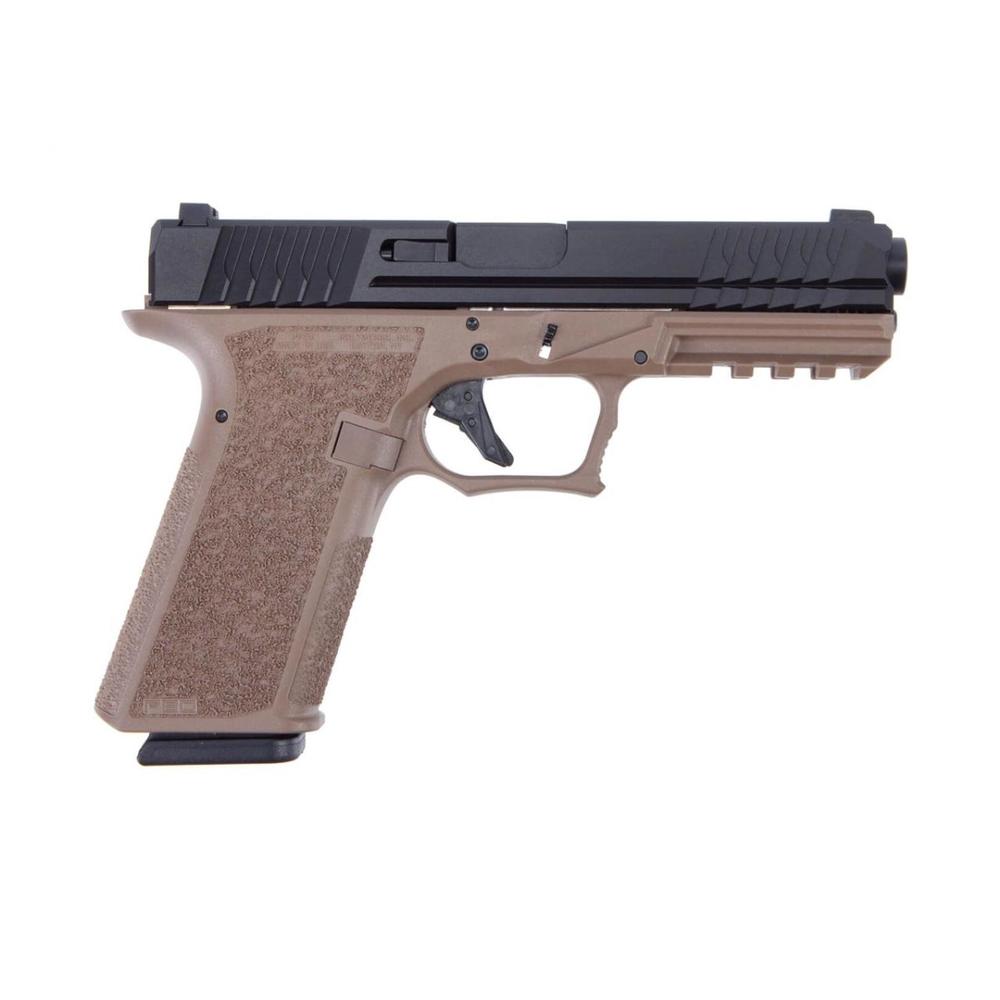
How Polymer80 Frames Are Manufactured
How Polymer80 Frames Are Manufactured
You’ve handled a finished P80 frame, but have you ever wondered about the engineering and precision behind that raw 80% blank? The process isn’t just injection molding; it’s a tightly controlled manufacturing operation that starts with aerospace-grade polymer pellets and ends with a dimensionally stable receiver ready for your jig and drill press. Let’s break down exactly how these frames are made.
The Raw Material: Glass-Reinforced Nylon
This isn’t your average plastic. Polymer80 frames are molded from a proprietary blend of glass-reinforced nylon, typically Nylon 6/6 or a similar copolymer. The “glass-reinforced” part is critical—those tiny glass fibers are embedded throughout the polymer matrix, increasing tensile strength, stiffness, and heat resistance. The specific ratio of polymer to glass fiber is a closely guarded formula, but it’s what gives a P80 frame its ability to handle slide cycling and locking block stress without deforming. The raw material arrives as small pellets, which are dried in industrial ovens to remove all moisture. Any residual water would vaporize during molding, causing voids and weaknesses in the final frame. This material science is the foundation; a cheap polymer simply wouldn’t hold up.
Precision Injection Molding
Once the material is prepared, it’s fed into a high-tonnage injection molding machine. The dried pellets are heated into a viscous liquid and injected under extreme pressure into a hardened steel mold. This mold is the heart of the operation. It’s CNC-machined to exacting tolerances, often within thousandths of an inch, to form the frame’s external geometry, internal rails, and critical fire control cavity. The high pressure ensures the material completely fills the mold and packs densely around the glass fibers for uniform strength. Cooling channels within the mold then solidify the polymer. The cycle time—injection, packing, cooling, ejection—is measured in seconds. This isn’t a garage operation; it’s the same industrial process used for critical automotive and aerospace components.
Post-Molding: Trimming and Quality Control
When the frame is ejected from the mold, it’s not ready to ship. It’s still attached to the sprue and runner system—the channels that allowed the molten polymer to flow into the mold cavity. These excess material tabs are trimmed off. More importantly, every single frame undergoes a preliminary visual and dimensional inspection. Critical areas like the front and rear rail module seating areas, the pin holes, and the fire control cavity depth are checked against master gauges. Frames that don’t meet spec are rejected and recycled. This step is why a quality 80% frame from a source like Polymer80Guide provides a solid foundation; the critical reference surfaces are already established by the mold.
The “80%” State: What’s Finished and What’s Not
So, what exactly makes it an “80% receiver”? The molding process completes 100% of the frame’s external dimensions and internal strengthening ribs. It also forms the fire control cavity, but leaves three critical areas intentionally unfinished: the rear rail pocket, the front locking block pin hole, and the trigger pin hole. These are the legally defining features of a firearm receiver. The mold creates these areas as solid polymer “tabs” or with pilot dimples. The rear rail pocket is a solid block, and the pin holes are either shallow starter marks or completely solid. This design is intentional, requiring the end-user to use the provided jig and tooling to drill and mill these final features to precise depths and diameters, thus “manufacturing” the firearm for themselves.
From Blank to Build-Ready Kit
After QC, the frame is paired with its specific model jig—a PF940v2 for a Glock 17/19 size, a PF940SC for a 26/27, etc.—and the necessary drill bits and end mills. The jig is a critical fixture, itself a precision-molded or machined part that indexes off the frame’s already-finished features (like the slide rails and takedown lever channel) to guide your drilling and milling operations perfectly. The frame, jig, and tools are then packaged as a complete kit. When you order a PF940C frame from Polymer80Guide, you’re receiving the end result of this entire advanced manufacturing process, ready for your final machining steps.
How are polymer 80 frames made?
They are injection molded from glass-reinforced nylon using high-precision steel molds. The process forms the complete external shape and internal structure but leaves the rear rail pocket and specific pin holes as solid polymer, creating the unfinished “80%” state. After molding, frames are trimmed, inspected, and packaged with their corresponding jigs and tools.
What is a polymer 80 frame?
A Polymer80 frame is an unfinished firearm receiver, typically for a Glock-style pistol, that is 80% complete. It is made from a durable, glass-filled polymer and requires the end user to drill pin holes and mill the rear rail cavity using a supplied jig to finish it. It is not a firearm until this work is completed.
How to finish a polymer 80 frame?
You finish it by securing the frame in the model-specific plastic jig it comes with. Using a hand drill and a router or drill press, you follow the jig’s guides to drill the three pin holes and then use an end mill to clear the polymer from the rear rail cavity. Proper tool use and following the instructions step-by-step are critical for a safe, functional build.
Browse our polymer80 frames collection
Last updated: April 05, 2026